Living on a houseboat involves balancing freedom with legal considerations. Life on the water is becoming more popular in Europe, but mooring rights, taxation and protection against eviction remain disputed issues for many residents.
1. Uncertain rights at moorings
In many countries, houseboat owners do not own their moorings and do not have the same rights as people living in conventional housing. In London, for example, resident David Waterhouse spent three years in court over his boat but could not claim rights to the mooring, despite paying for utilities and insurance. The case illustrates how ownership of a vessel does not necessarily provide the same legal protection as a residential tenancy.
2. Between property and vessel status
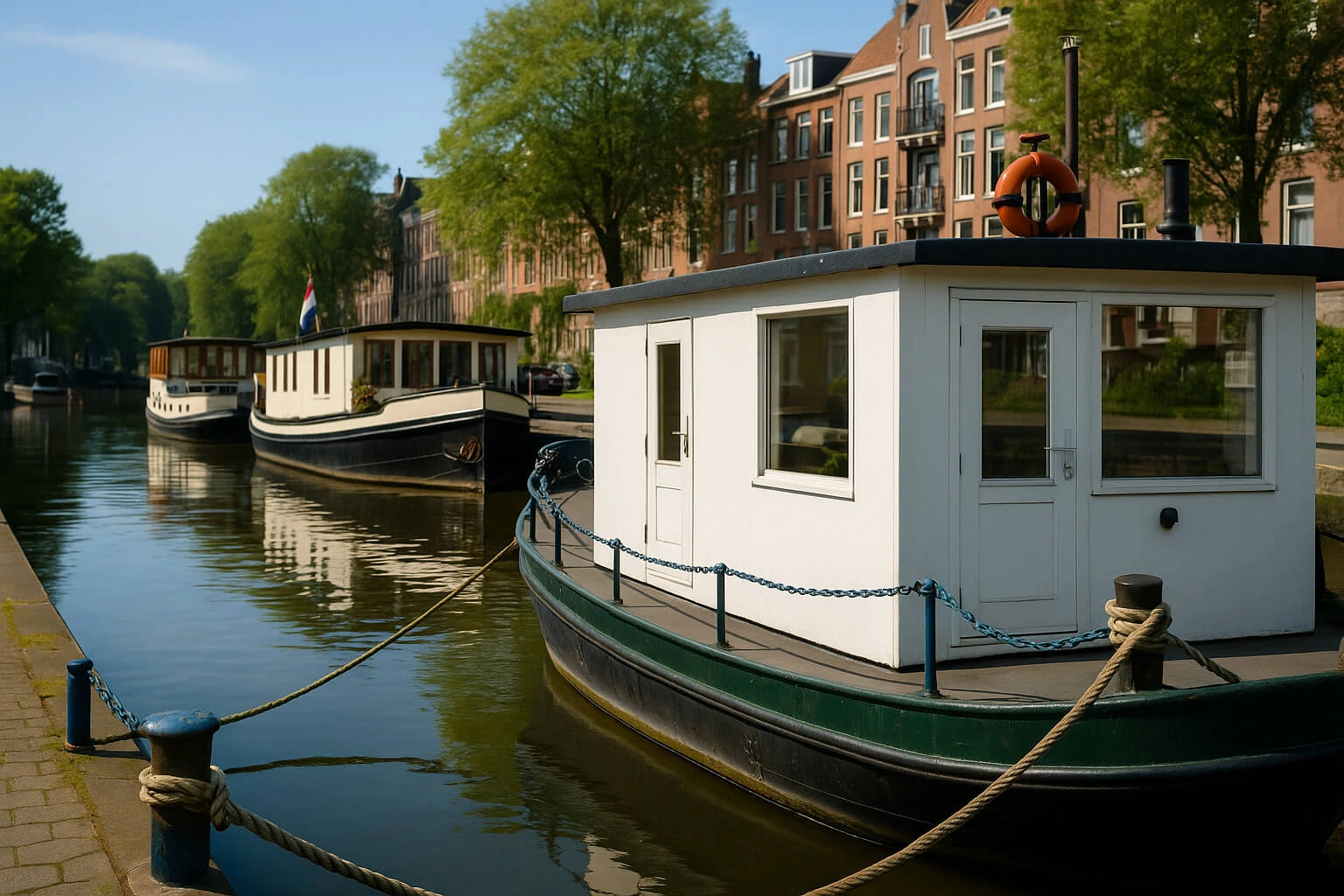
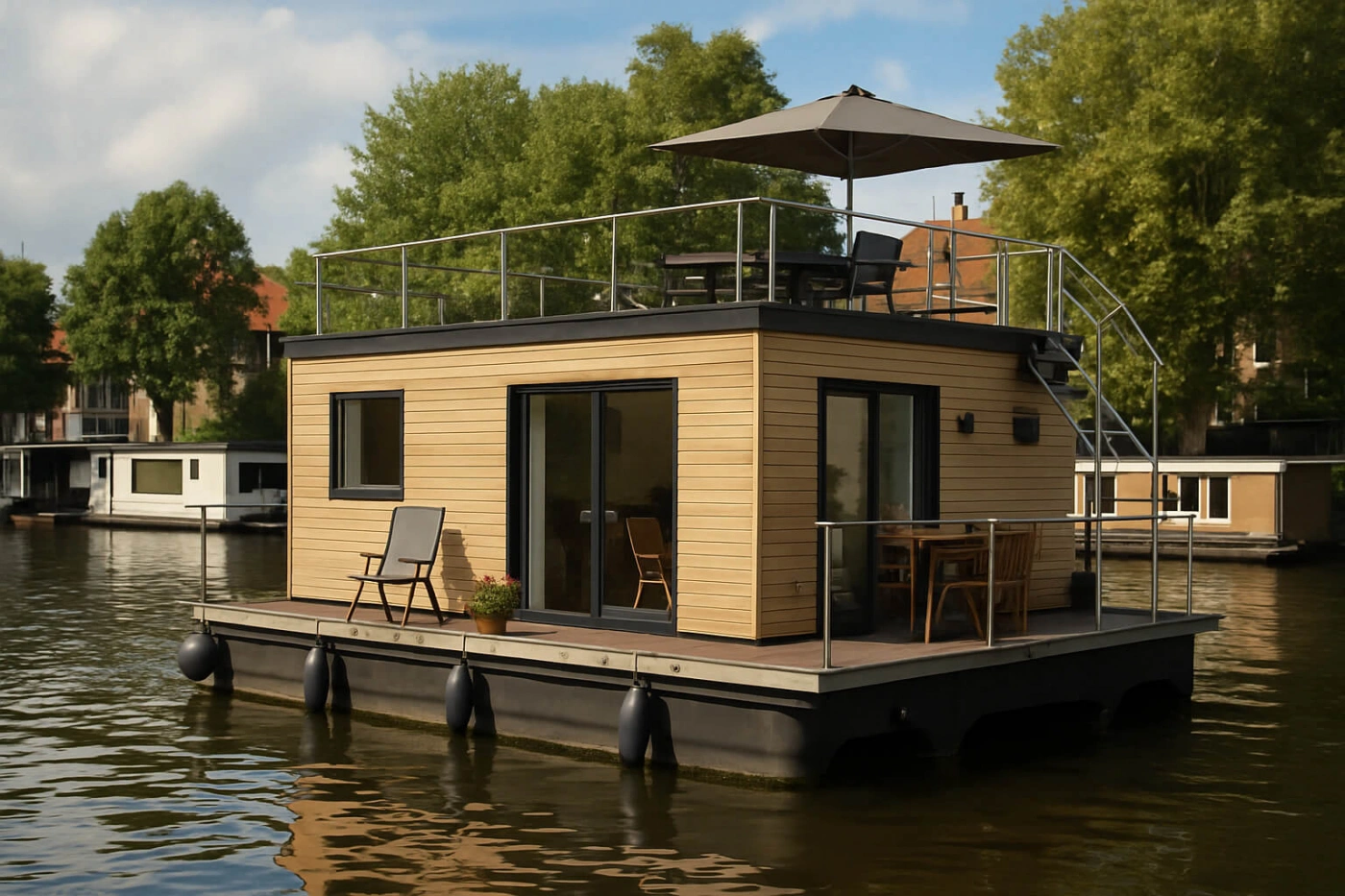
European analysis has highlighted the uncertain classification of houseboats: they may be treated as property or as floating objects. This affects taxation, guarantees, infrastructure development and access to subsidies. In the Netherlands, some boats are registered both as property under planning rules and as vessels with registration and insurance.
3. Communities as a source of support
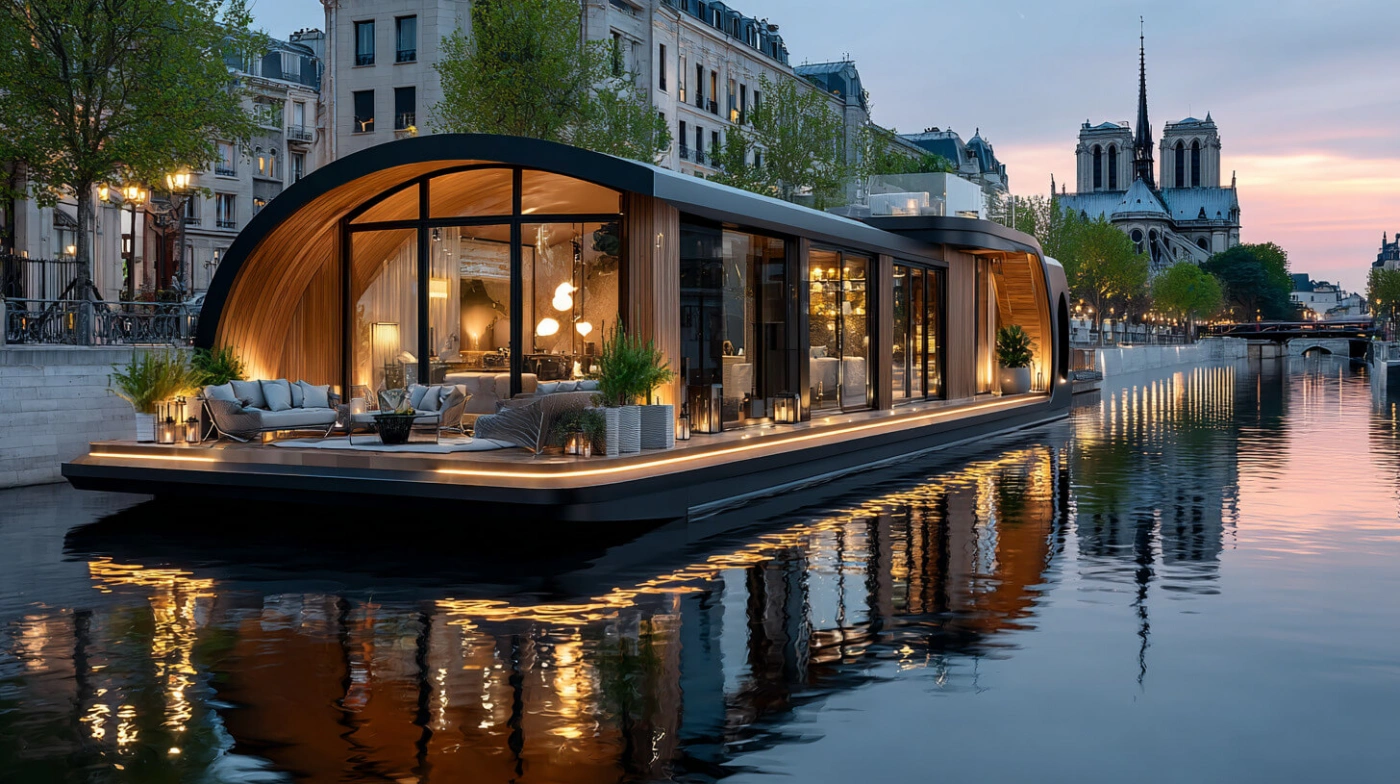
In waterfront areas of Paris, London and Berlin, houseboat communities form associations to represent residents before authorities and seek moorings, servicing and utility connections. These organisations provide practical support and help residents defend their interests.
4. Permits and skipper qualifications
In France, a licence is required to operate a recreational motorboat with engine power above 4.5 kW (6 hp). The appropriate qualification depends on the waterway and vessel length. See the French maritime ministry’s guidance and confirm the requirements for your vessel before navigating.
5. Insurance and annual expenses
An illustrative annual insurance budget for an independent vessel is around €1,000. Actual premiums and compulsory cover depend on the boat and jurisdiction. Regular surveys and dry-docking are also important; a five-year interval is one example, rather than a universal requirement. An ageing steel hull requires appropriate inspection and maintenance.
Planning a move onto the water
Houseboat life in Europe offers freedom, but requires attention to mooring security, licences and registration, community support, and a realistic maintenance and insurance budget.
Before moving, investigate the legal position in the country and at the specific mooring where you intend to live, particularly in central areas of cities such as London, Paris, Amsterdam or Rotterdam.